Automated Standups for Engineering Teams: How They Work
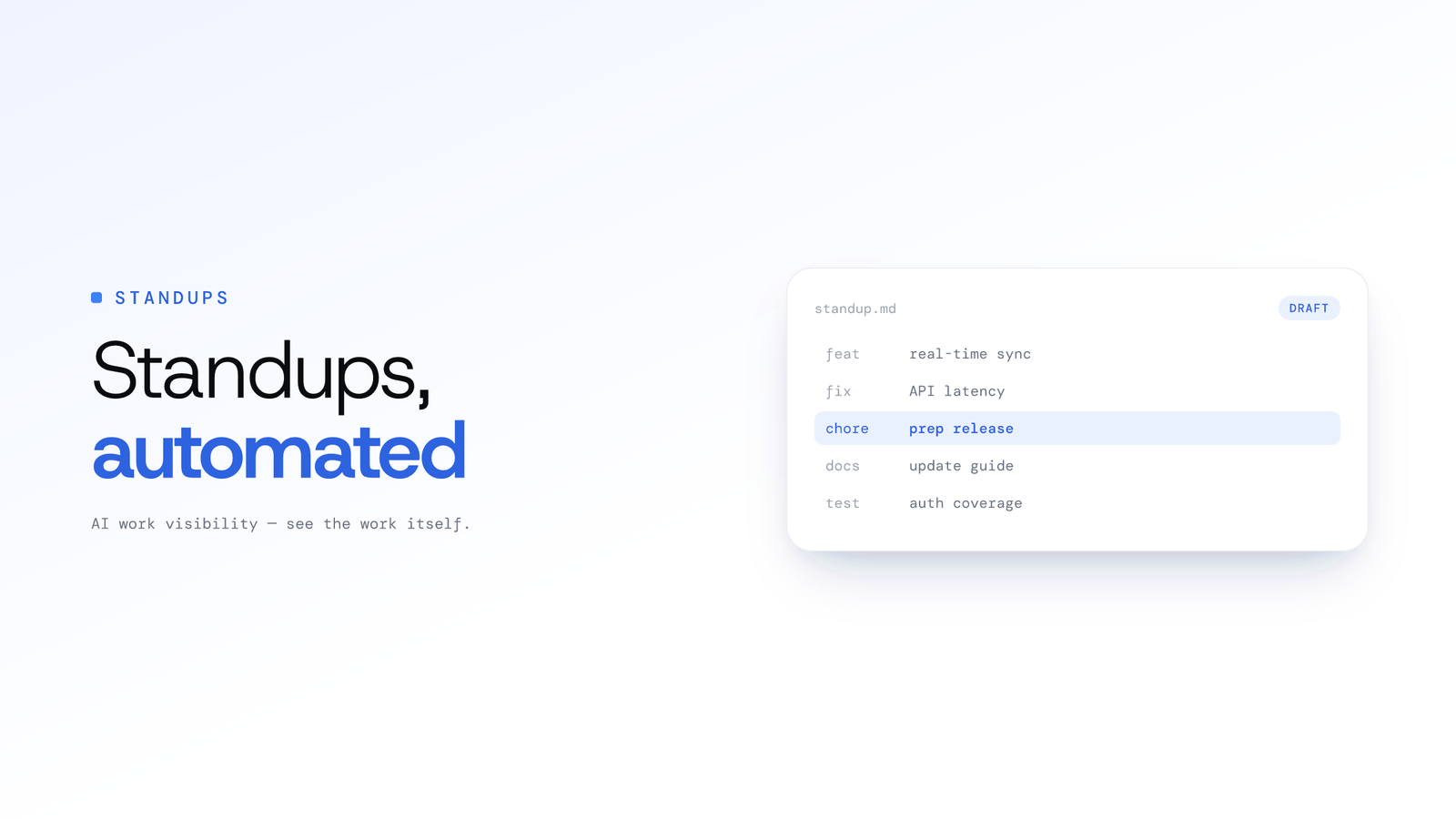
Automated standups draw the daily update from real work like git activity and on-screen output, so engineers stay aligned without the context-switch of writing it by hand.
Automated Standups for Engineering Teams: How They Work
Updated on 8 July 2026
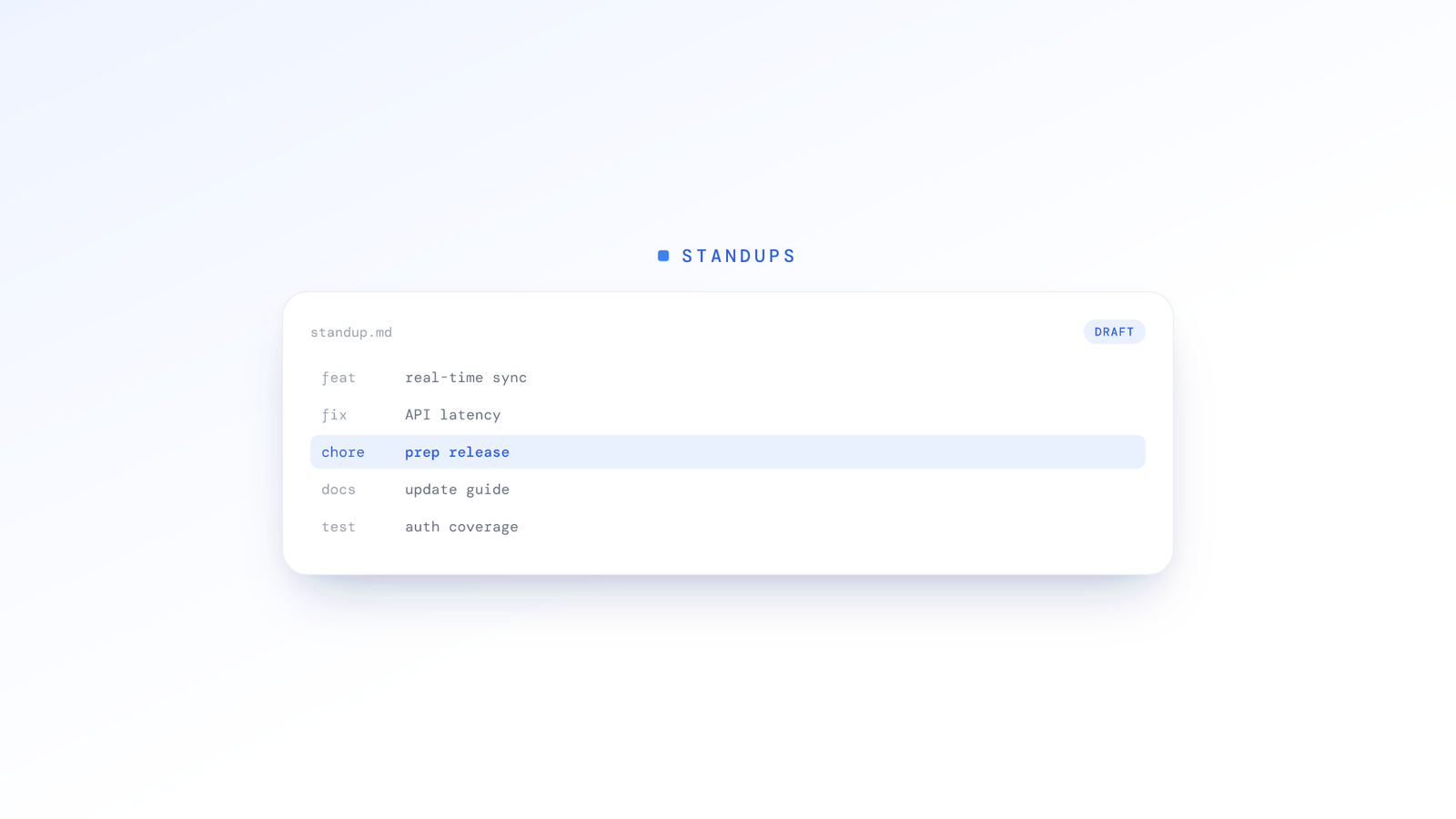
Automated standups for engineering teams draw the daily update from the work itself, from git activity to on-screen output, rather than from memory. Instead of each engineer stopping to write what they did, the update is generated from real activity, reviewed, and posted. The result is more specific, more consistent, and far less disruptive than a manual round.
Why do manual standups fall short for engineering teams?
Manual standups fall short because they depend on memory and interrupt flow. Vague updates like "worked on bugs" or "made progress on the feature" happen because developers genuinely forget the detail of yesterday by the time they are asked. Project managers then struggle to see real progress or spot blockers early, precisely when a blocker is cheapest to clear.
Manual standups also carry a cognitive cost. To produce an update, a developer has to pull out of code, reconstruct the day, and phrase it, then climb back into the problem they left. That context-switch is the expensive part, and it repeats every single morning.
How do git-activity standups work?
Git-activity standups work by reading what an engineer actually did in the repository rather than what they remember. Commit messages, pull request activity and code review participation each describe a concrete piece of work, so an update can be assembled from them directly. Connected to version control and project tools, an automated standup names the PR that shipped, the review that unblocked a colleague and the branch still in progress.
The gain is accuracy and consistency. Because the update is grounded in real code changes rather than recollection, nothing important quietly disappears, and because it is generated rather than hand-written, there is no human factor causing a missed or delayed report. This is the direction of Tempo, ScreenJournal's AI-assisted-coding analytics, which is designed to read the local repository and Claude Code's session files to analyse AI-assisted coding sessions in depth and draft engineering standups from what actually happened in the code. Tempo is launching soon, so treat this as where the product is headed, not a feature you can switch on today.
How does ScreenJournal draft standups today?
ScreenJournal drafts standups on request, grounded in a timeline of what each person actually did. It is not automatic and not on a schedule: you ask, and ScreenJournal drafts.
ScreenJournal is an AI work visibility tool that reads on-screen work as it happens, turns it into a detailed timeline of what each person actually did, and then, by default, deletes the raw screen data. Timelines accumulate into a searchable chronicle of everyone's work history, and from them ScreenJournal generates timesheets and reports automatically and drafts standup summaries on request, answering questions about any of it in plain English.
In practice, by default the screen is recorded as short-lived video, the work is read from it, and the video is deleted during processing; a manager can opt in to keep video evidence, stored for up to 3 months. What remains is a plain-English work timeline: which app, what was done, how long it took, with a productivity score. When you want a standup, you ask the built-in Ask AI chat or the ScreenJournal MCP, and yesterday's update is drafted from those entries. You review it, adjust anything, and post it. Because it comes from the record rather than half-remembered notes, it names the actual work instead of a vague "continued on the project", and it will not inflate a slow day. The full behaviour lives on the AI standups page.
The MCP route matters for engineering teams specifically: because ScreenJournal exposes an MCP interface, a team can request the draft from whichever AI tool and model they already use, rather than being tied to one assistant.
How much time do automated standups save engineering teams?
Automated standups reclaim the daily block of synchronous status time and, more importantly, protect focus. A live standup often runs around fifteen minutes, but the real cost is the interruption: engineers break flow to attend, and deep work is expensive to restart. That figure is an illustration of the general cost of the ritual, not a measured ScreenJournal result.
When the status portion is drafted from the work instead of recited, much of that daily block disappears. The meeting shrinks to the part that needed humans anyway, meaning decisions, blockers and asking for help, and everything else is a quick draft each person reviews and posts. The team stays aligned without every engineer paying the context-switch tax at the same time each morning.
Do automated standups work for async and distributed engineering teams?
Yes, and distributed teams benefit most. Because the update is drafted from a record of the work rather than a live meeting, it can be produced the moment a day starts in any time zone, with no waiting on someone else's morning. Handovers stop depending on what a colleague remembered to write down before signing off.
Follow-up questions do not have to wait for a meeting either. Because timelines accumulate into a searchable chronicle, a question like "what happened with the migration this week" is answered on the spot through Ask AI or the ScreenJournal MCP, scoped to each person's role. Between an on-request draft from ScreenJournal today and code-aware standups from Tempo at launch, engineering teams get a clear path away from the repetitive, low-signal standup toward updates that stay grounded in the work itself.
Frequently asked questions
What are automated standups for engineering teams?
Automated standups draw the daily update from the work itself rather than memory. Instead of each engineer writing what they did, the update is generated from real activity such as commits, pull requests and on-screen work, then reviewed and posted. The result is specific, consistent and quick to produce.
Can automated standups be generated from git activity?
Yes. Commit messages, pull request activity and code review participation all describe what an engineer did, so an update can be assembled from them rather than from recollection. ScreenJournal's Tempo is designed to read the local repository and Claude Code session files to draft code-aware engineering standups, and is launching soon.
Does ScreenJournal send automatic standups?
No. ScreenJournal drafts standups on request, never on a schedule. You ask the Assistant chat (Ask AI) or the ScreenJournal MCP, and yesterday's update is drafted from your work timeline so nothing is forgotten or inflated. You review the draft, tweak a word and post it yourself.
Do automated standups work for async and distributed teams?
Yes, and distributed teams gain the most. Because the update is drafted from a record of the work rather than a live meeting, it can be produced the moment a day starts, with no waiting on someone else's morning. Handovers stop depending on what people remembered to write down.
Ready to see standups drafted from real work rather than memory? Take a look at https://screenjournal.ai.
Stop guessing. Start knowing.
Let AI turn screen data into clear insights. Start your 2 months free trial
Related Posts
How to Cut Daily Standup Time in Half Without Losing Context
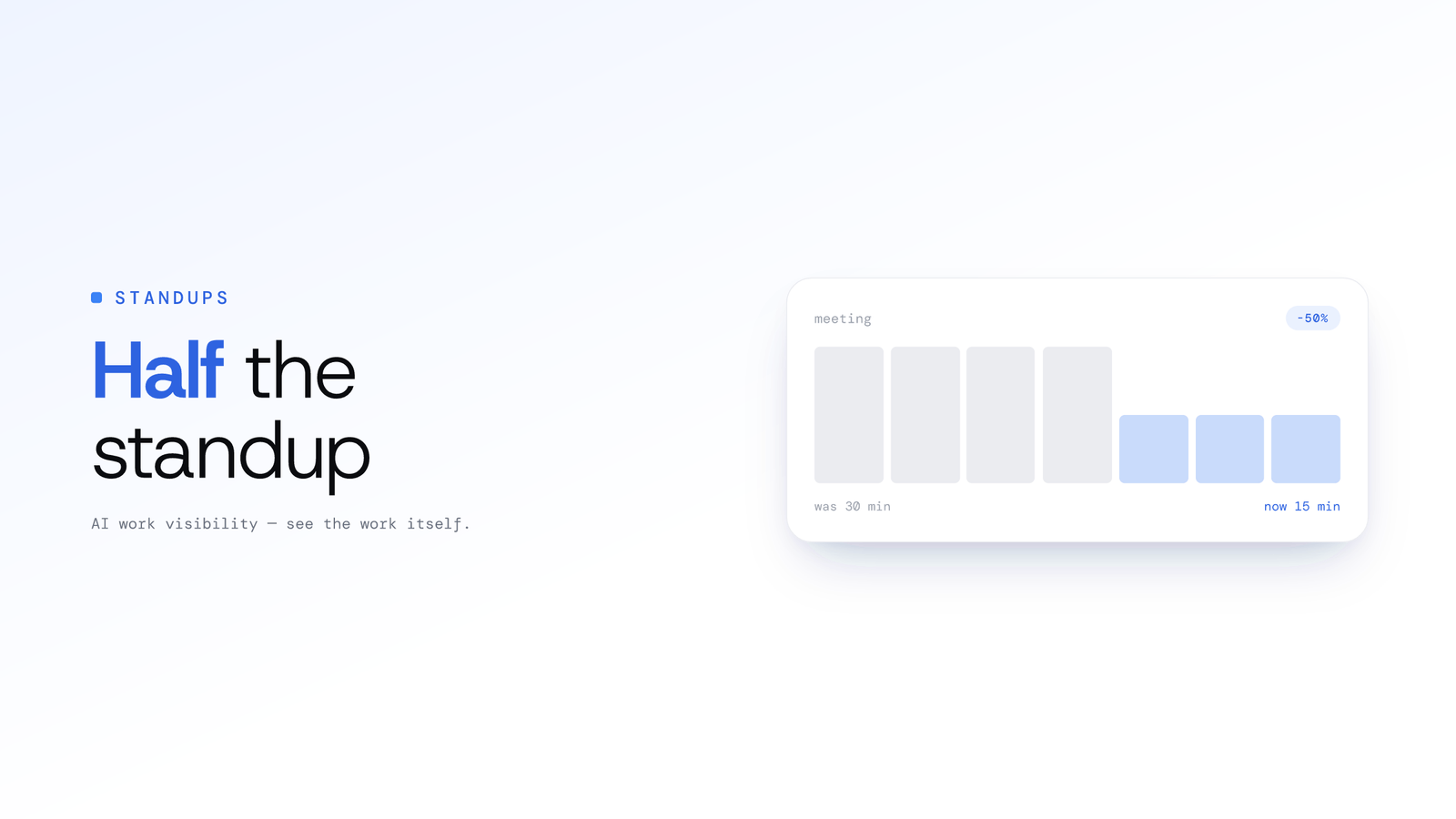
Cut daily standup time in half with three approaches: asynchronous updates, automated summaries from real work, and a hybrid model that keeps context intact.
Turning Git Data into Actionable Team Insights
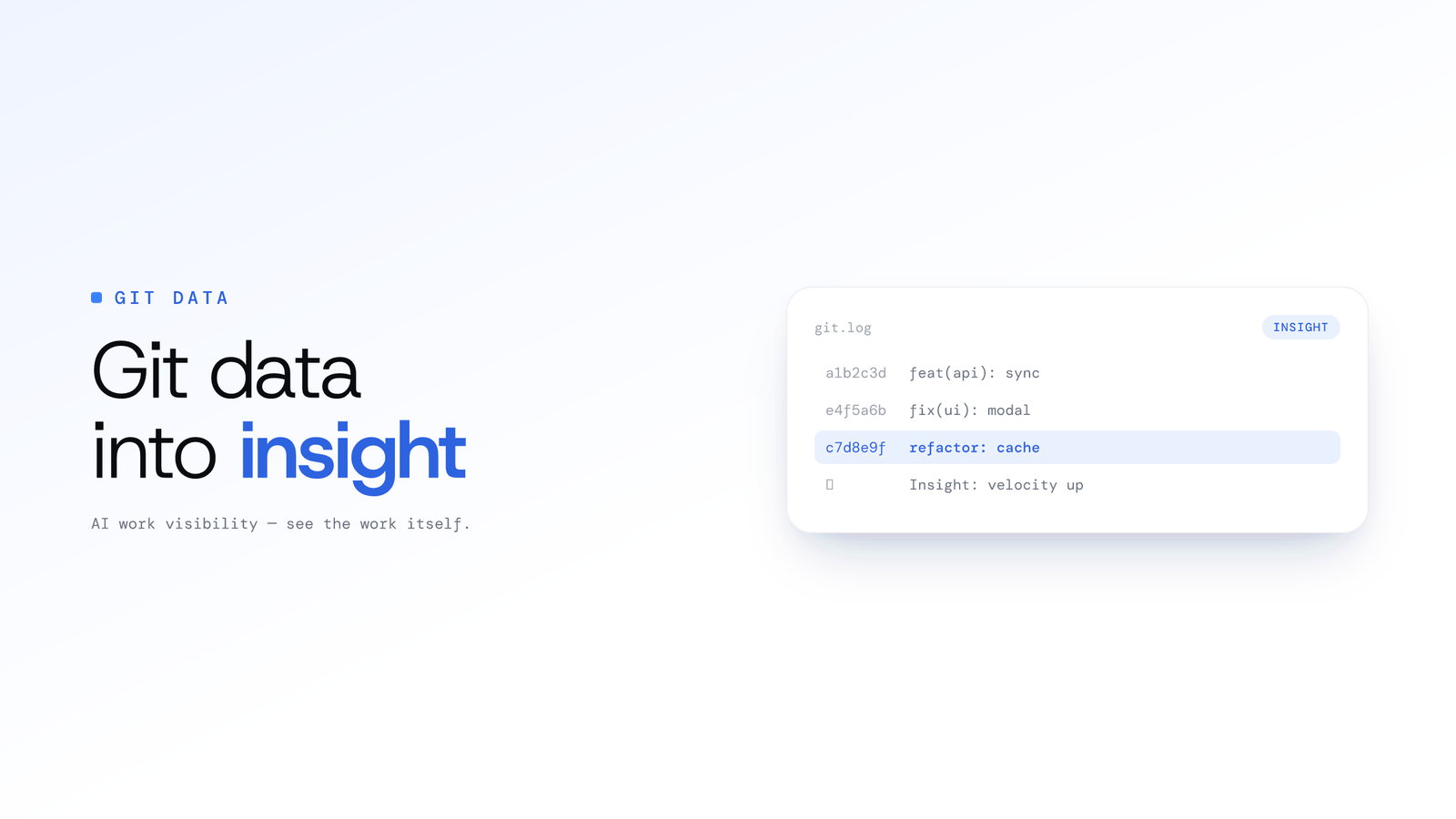
Engineering teams sit on a goldmine of objective activity data in Git. Here is how Tempo, ScreenJournal's engineering analytics (launching soon), is designed to turn commits, pull requests and issues into proactive, actionable insights.
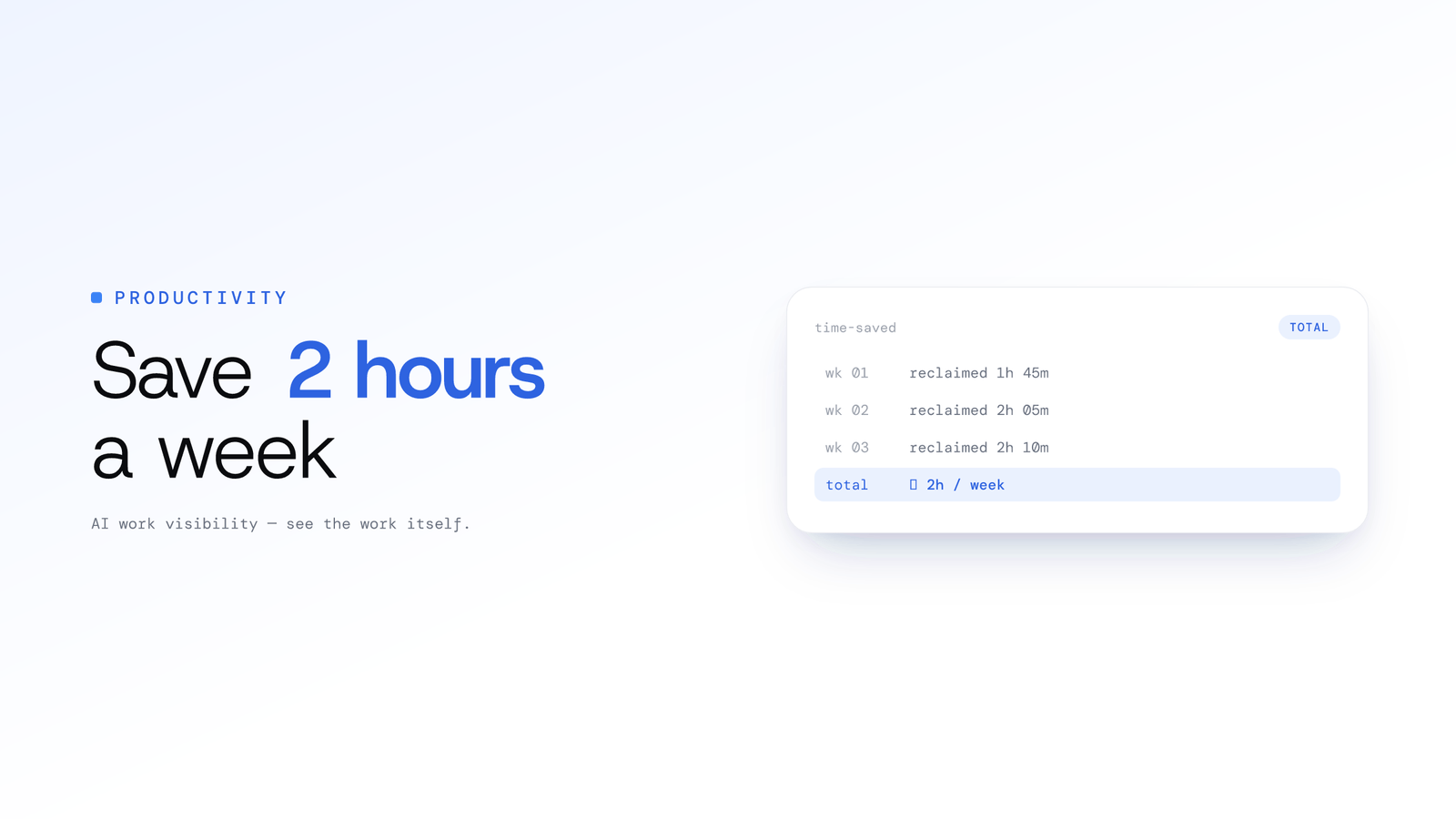
How Startups Can Save 2+ Hours a Week Per Engineer With Smarter Standups
The traditional 15-minute standup costs far more than 15 minutes. Here is how a smarter, async, data-driven model can hand focused time back to your engineers.